Understanding Helideck Certification Requirements
Helicopters play a critical role in offshore operations, transporting personnel, equipment, and emergency response teams to vessels and installations operating far from shore. To ensure safe operations, offshore helidecks must meet strict standards for design, equipment, monitoring, lighting, and operational procedures. Certification provides assurance that a helideck has been assessed against applicable regulations and is suitable for safe helicopter operations.
For vessel owners and operators, helideck certification is more than a regulatory requirement—it is a fundamental component of risk management. Non-compliant helidecks can result in operational restrictions, costly modifications, delayed inspections, or limitations or shut down of helicopter operations. In the worst cases, deficiencies can compromise safety for both flight crews and offshore personnel.
As offshore regulations continue to evolve, many operators find it increasingly challenging to understand exactly what is required for certification and ongoing compliance.
What Is Helideck Certification?
Helideck certification is the formal verification that a helideck complies with applicable aviation and offshore regulations and must be done by an approved Aviation Inspection Body (AIB), commonly known as a Helideck Certification Company. The certification process typically involves reviewing the physical helideck, associated systems, operational procedures, and supporting documentation.
Depending on the jurisdiction, vessel type, and operating area, certification may involve compliance with standards and guidance such as:
- UK CAA CAP 437
- ICAO Annex 14
- National aviation authority requirements
- Operator-specific standards
- Country-specific regulations such as Norway’s BSL D 5-1 or Brazil’s NORMAM 223
- Red Ensign Group Yacht Code Annex H
The purpose of certification is to ensure that pilots operating to the helideck can rely on accurate information, appropriate visual aids, and a safe operating environment. Certification leads to improved safety, not just desktop compliance.
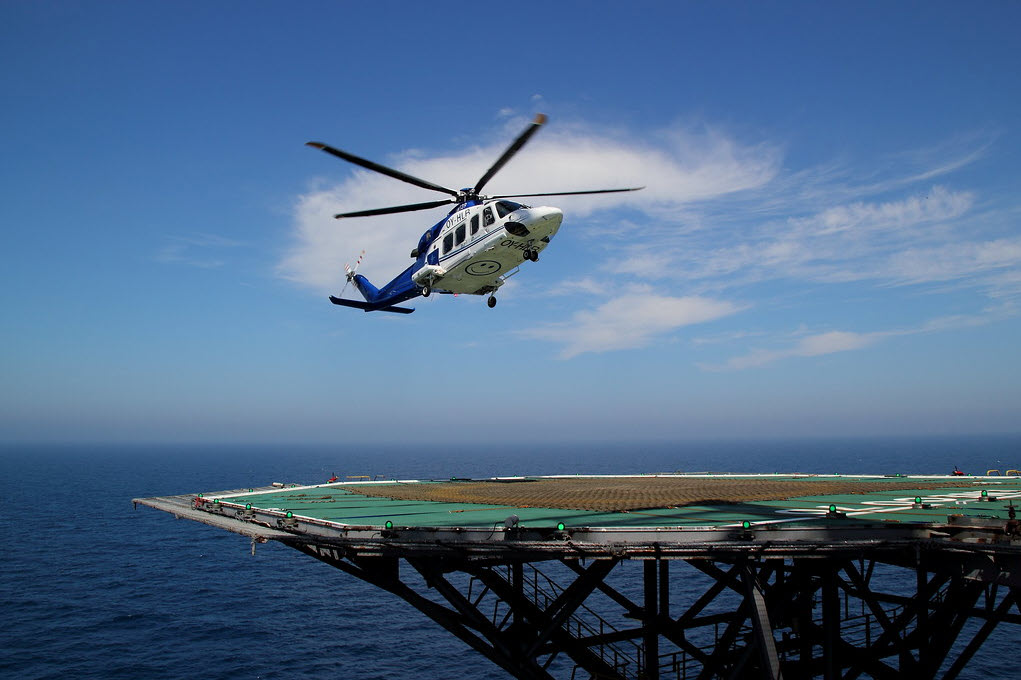
What Areas Are Assessed During Certification?
Many operators assume certification focuses solely on the physical helideck. In reality, inspectors often review a much broader range of systems and operational elements.
Helideck Design and Physical Layout
The dimensions, markings, obstacle environment, and overall condition of the helideck are critical assessment areas.
Inspectors may evaluate:
- Deck size and suitability for intended helicopter types
- Touchdown and lift-off area configuration
- Markings and identification systems
- Obstacle clearances
- Surface condition and friction characteristics
- Landing area tie down points
- Perimeter safety net installations
- Drainage and structural integrity
- Rescue and fire-fighting resources
- Turbulence and hot gasses conditions
Any modifications to the vessel or surrounding structures can potentially affect compliance and should be assessed carefully.
Helideck Monitoring Systems
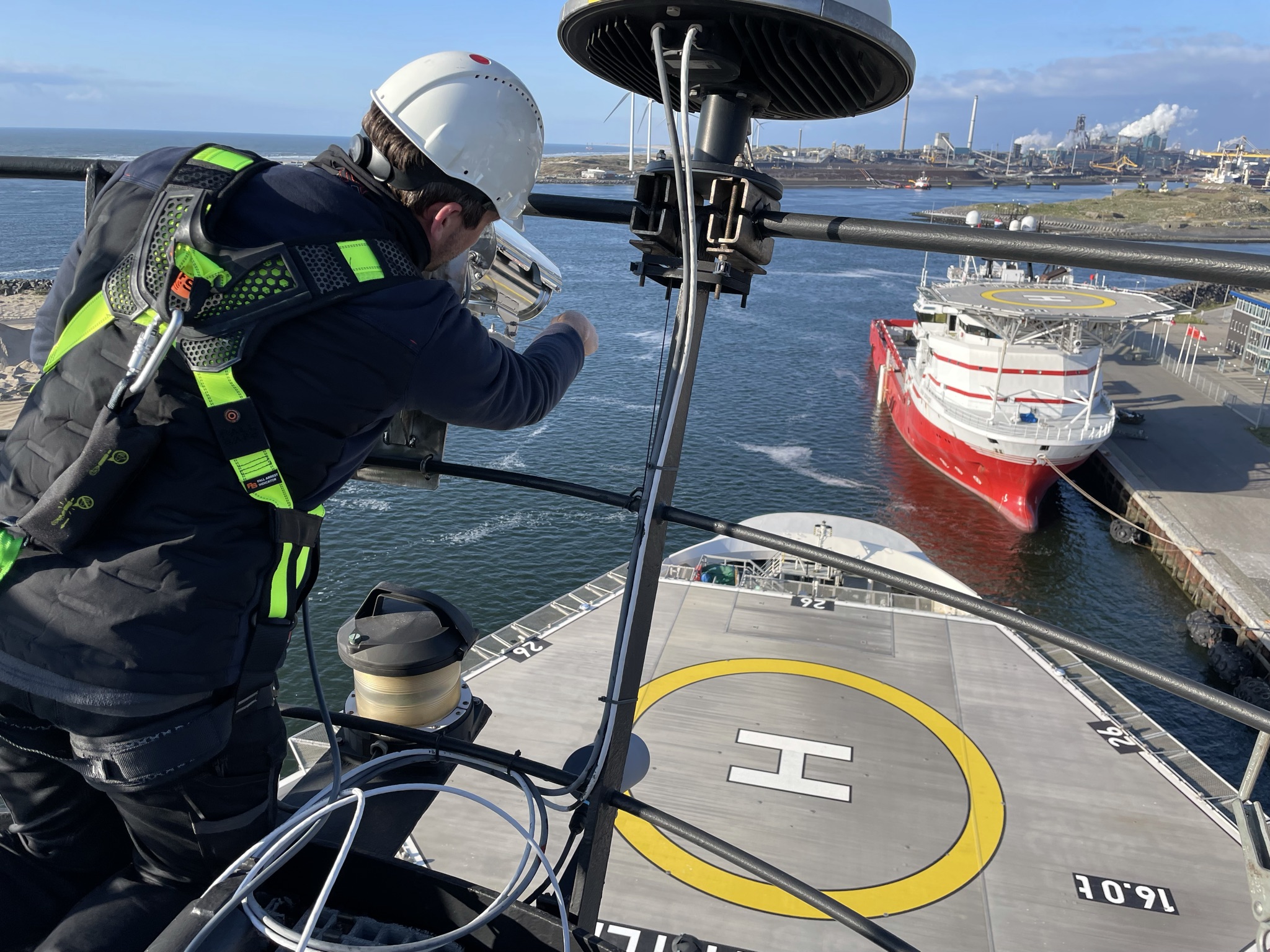
Compliance with offshore aviation regulations necessitates the use of Helideck Monitoring Systems (HMS), which provide accurate real-time data on vessel motion and environmental conditions to support safe helicopter operations.
Certification and inspections often verify that monitoring systems provide reliable data relating to:
- Roll
- Pitch
- Heave
- Wind speed
- Wind direction
- Meteorological conditions
These systems help pilots assess landing conditions and allow operators to demonstrate compliance with applicable reporting requirements.
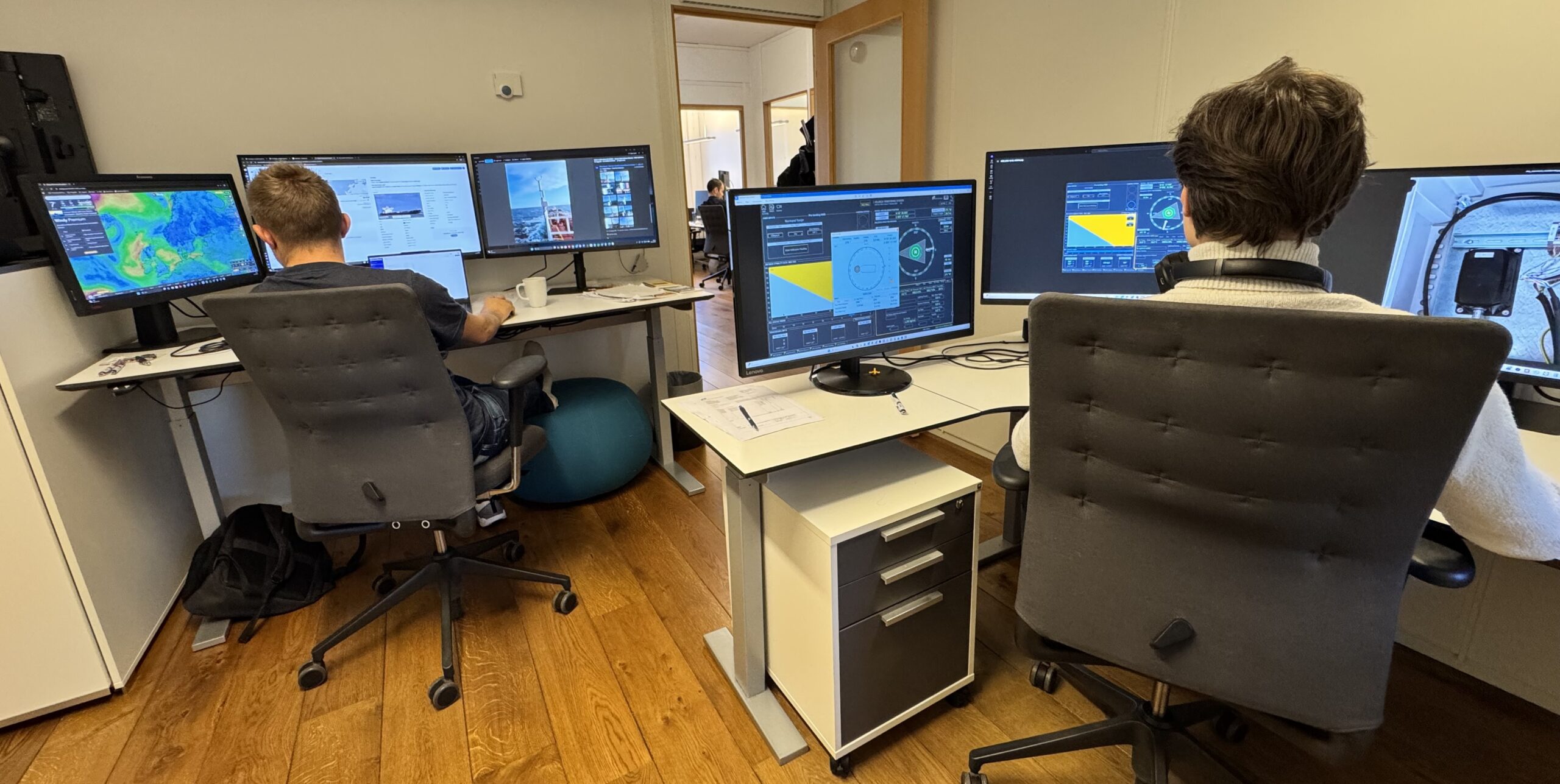
ShoreConnection’s HMS 900 system is designed specifically to support these operational and compliance requirements by integrating vessel motion and environmental monitoring into a single platform.
The Importance of Accurate Weather Reporting
Weather reporting forms a critical part of compliant helicopter operations.
Pilots require accurate information regarding:
- Wind conditions
- Visibility
- Temperature
- Atmospheric pressure
- Cloud conditions
- Additional environmental factors
The Helideck Monitoring System generate Pre-Flight Offshore Weather Reports and Helideck Weather Reports that support aviation decision-making and help demonstrate compliance with industry requirements.
Operators who maintain reliable weather reporting capabilities often experience smoother inspections and greater confidence from helicopter operators.
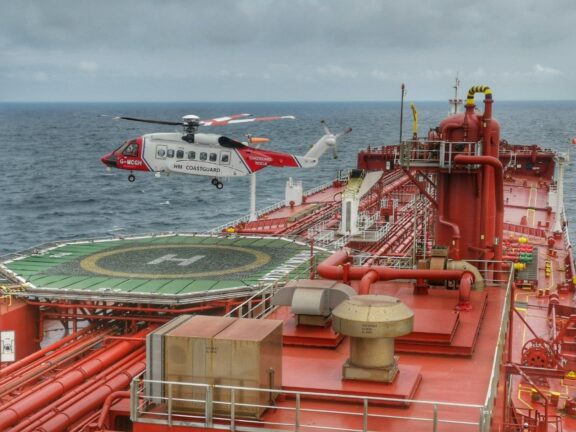
Visual Aids – Helideck Lighting Requirements
One of the most frequently cited areas during inspections involves helideck lighting.
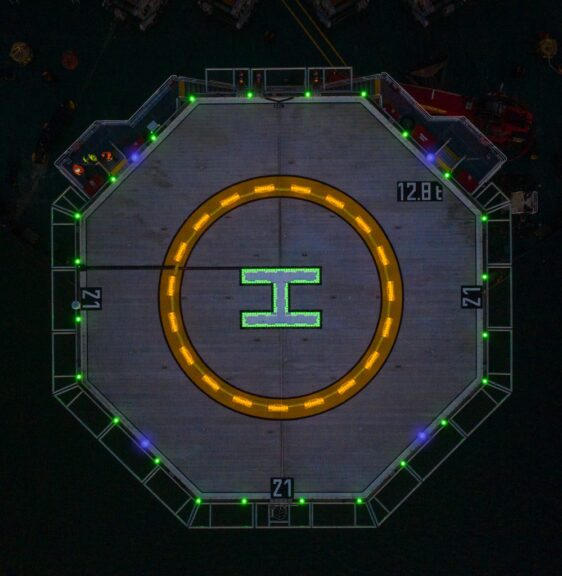
Lighting systems provide essential visual references during night operations and periods of reduced visibility. Depending on applicable regulations and operational requirements, certification may include review of:
- TD/PM Circle-H lighting
- Green perimeter lights
- Helideck status lights (wave-off lights)
- Floodlighting systems
- Obstruction lighting
- Illuminated windsocks
Modern lighting systems must provide reliable performance while remaining compliant with standards such as CAP 437 and ICAO Annex 14.
ShoreConnection provides a comprehensive range of helideck lighting solutions designed to support these requirements in harsh offshore environments.
Documentation: A Common Compliance Challenge
One of the most overlooked aspects of certification is documentation. Even when equipment is installed correctly, operators may encounter difficulties if documentation is incomplete or outdated. Typical documentation requirements may include helideck inspection records, equipment certificates, maintenance records, lighting specifications, monitoring system documentation, operational procedures, risk assessments and training records
Maintaining accurate documentation throughout the vessel lifecycle significantly reduces the risk of findings during inspections and recertification activities.
Common Reasons Helidecks Fail Certification Reviews
While every project is different, several issues appear repeatedly during inspections and audits.
Common deficiencies include:
- Outdated helideck lighting systems
- Inadequate monitoring capabilities
- Incorrect or deteriorated markings
- Changes to surrounding structures affecting obstacle clearances
- Missing documentation
- Insufficient maintenance records
- Non-compliant weather reporting arrangements
- Lack of understanding regarding updated regulatory requirements
Many of these issues can be identified and resolved before formal inspections occur, saving operators both time and money.
Certification Is Not a One-Time Activity
A common misconception is that certification ends once a helideck receives approval.
In reality, compliance must be maintained throughout the operational life of the vessel or installation. Equipment upgrades, structural modifications, operational changes, and regulatory updates can all affect certification status. I all criteria are met, the helideck inspection will lead to a Helicopter Landing Area Certificate (HLAC), which is valid for 12 months and a corresponding Helideck Information Plate (HIP), specifically designed for pilots and flight crews. In addition to the regularity of the helideck inspection, the different sensors and systems may have their own validity limits and must be monitored. In case of changes, such as name change, ownership changes, or helideck or surroundings modifications, the HLAC must be reviewed by an AIB.
Best-practice operators treat compliance as an ongoing process that includes:
- Regular inspections
- Preventive maintenance
- Periodic system upgrades
- Continuous documentation management
- Monitoring of regulatory developments
This proactive approach helps reduce operational risk and minimizes the likelihood of compliance-related disruptions.
How ShoreConnection Can Help
Understanding certification requirements can be challenging, particularly for operators managing assets across multiple regions and regulatory frameworks.
With more than 20 years of offshore experience and solutions installed on over 700 vessels worldwide, ShoreConnection supports operators through all stages of the compliance journey. The company provides CAAi-certified helideck monitoring solutions, compliant helideck lighting systems, and specialist consultancy services that help clients navigate increasingly complex regulatory requirements.
Importantly, ShoreConnection works closely with our clients, helping vessel owners and offshore operators identify compliance gaps, implement necessary upgrades, and prepare for inspections and certification reviews. By combining practical offshore experience with a detailed understanding of regulatory expectations, ShoreConnection helps streamline the certification process and reduce the risk of costly delays or non-conformities
ShoreConnection’s HMS 900 9c Helideck Monitoring System, now successfully commissioned on more than 200 Rev. 9C installations, helps operators meet modern monitoring and reporting requirements while supporting safer helicopter operations. Combined with our HAV 200 – Helideck Audio & Video Recording, our comprehensive portfolio of helideck lighting solutions and extensive industry expertise, ShoreConnection helps offshore operators prepare for inspections, maintain compliance, and improve overall operational safety all over the world.
Whether supporting a newbuild project, a vessel upgrade, a recertification process, or the resolution of inspection findings, ShoreConnection works alongside operators, certification agencies, and helicopter operators to deliver practical solutions that contribute to safer, more compliant offshore helicopter operations.
Conclusion
Helideck certification is about much more than passing an inspection. It is about creating a safe, reliable, and compliant operating environment for helicopter crews and offshore personnel.
By understanding certification requirements, maintaining compliant monitoring and lighting systems, and staying ahead of regulatory changes, operators can reduce risk, improve operational efficiency, and support safe offshore helicopter operations for years to come.
For organizations seeking guidance on helideck compliance, certification readiness, monitoring systems, or lighting upgrades, working with an experienced partner can make the process significantly simpler—and far more effective.